
Does a New Fence Increase Home Value and Buyer Appeal
A fence is one of the first home features people notice, even before they reach the front door. It frames the yard, shapes the first impression, and can make a property feel more complete.
For homeowners thinking about resale, the big question is simple: does a new fence actually add value? In many cases, yes. A well-built fence can improve curb appeal, add privacy, support everyday security, and make the yard more useful for families, pet owners, and buyers who want outdoor space that feels ready to use.
It may not return every dollar spent in a direct appraisal jump, but it can make a home easier to love, easier to show, and more attractive in a competitive market.

A new fence can improve curb appeal right away
Curb appeal is not just about flowers and fresh paint. The edges of a property matter. A sagging, stained, broken, or mismatched fence can make an otherwise cared-for home feel neglected. A straight, clean fence does the opposite.
A new fence can help by:
Defining the property line in a neat way
Creating a polished backdrop for landscaping
Hiding less attractive views, such as trash bins or utility areas
Making the yard feel more intentional and maintained
The material and style matter. A white vinyl fence may suit a newer suburban home. A horizontal wood fence may look better with a modern exterior. A classic picket fence can add charm to a cottage-style house.
The best choice is usually the one that fits the home rather than competes with it. A fence that looks out of place can distract buyers. A fence that matches the property style can make the whole exterior feel more balanced.
Color also plays a role. Natural wood tones feel warm and relaxed. Black aluminum can look clean and low-profile. White fencing feels bright, but it may show dirt more quickly in some climates. The goal is simple: make the home look cared for from the street.
Privacy makes outdoor space feel more usable
Many buyers want a yard, but they do not just want grass. They want space they can actually use.
A fence can turn an exposed backyard into a more comfortable place for morning coffee, weekend grilling, kids playing, or quiet evenings outside. Even a modest privacy fence can make a yard feel less visible to neighbors and passing traffic.
This matters most in:
Dense neighborhoods
Homes near busy streets
Lots with close side yards
Properties with pools, patios, or outdoor dining areas
Privacy does not always require a tall solid fence around the entire property. In some cases, targeted fencing along one side of a yard can solve the biggest issue. A mix of fencing and landscaping can also feel softer than a full enclosure.
For resale, privacy is powerful because buyers can imagine themselves using the space. An open backyard may feel unfinished. A fenced backyard can feel like an outdoor room.

Security and boundaries can increase buyer confidence
A fence will not make a home secure on its own, but it can add a useful layer of separation. It creates a clear boundary between public and private space. That can help a property feel safer and more controlled.
For many buyers, that feeling matters. A fenced yard can help:
Limit casual foot traffic across the property
Create a barrier between the home and a sidewalk or alley
Keep children farther from streets or driveways
Add structure around pools or steep yard areas, where codes may apply
Gates are part of this equation. A new fence with a weak, sagging, or hard-to-latch gate can hurt the overall impression. A smooth gate with secure hardware makes the fence feel well built.
Lighting also helps. A fence paired with simple path lighting or motion lighting can make side yards and back gates feel less dark at night. The fence provides the boundary, while lighting improves visibility.
For buyers walking through a home, these details create confidence. They suggest the current owner has maintained the property and thought through how the yard works.
Pet-friendly yards are a major selling point
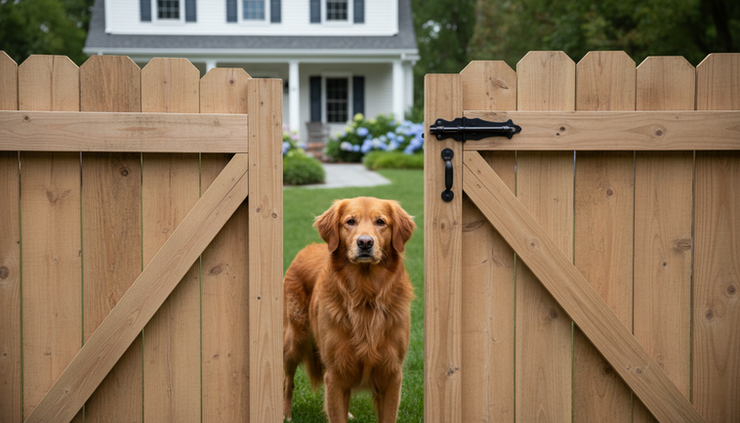
A fenced yard can be a big advantage for pet owners. Many buyers with dogs place a fenced backyard high on their wish list because it makes daily life easier.
Without a fence, every outdoor break may require a leash. With a secure fence, the yard becomes more convenient. That does not mean every fence is equally pet-friendly, though.
The best pet-focused fences usually have:
Enough height for the size and behavior of the dog
No wide gaps at the bottom
Secure gate latches
Materials that resist chewing, digging, or climbing
Visibility suited to the pet’s temperament
For example, some dogs do better with solid privacy fencing because they react to seeing people or other animals pass by. Others may be fine with aluminum or chain-link fencing. The key is a fence that feels safe and sturdy.
A pet-friendly yard can widen the pool of interested buyers. It also gives real estate agents an easy feature to point out during showings: the yard is ready for pets from day one.
The return depends on quality, condition, and fit
A new fence can make a property more appealing, but the value depends on the details. Buyers notice quality. Appraisers and inspectors notice condition. Local rules can also affect what type of fence is allowed.
Before installing a fence with resale in mind, think through these factors.
Factor | Why it matters |
Material | Wood, vinyl, aluminum, composite, and chain-link all send different signals about style and maintenance. |
Height | Taller fences add privacy, but local codes or HOA rules may limit height. |
Placement | A fence built over a property line can create disputes and closing delays. |
Maintenance | A beautiful wood fence may need staining or sealing. Vinyl and aluminum may need less upkeep. |
Neighborhood fit | A fence that matches nearby homes usually feels more natural to buyers. |
The strongest value usually comes from a fence that solves a clear problem. If the home backs up to a busy road, privacy fencing may have a big impact. If the backyard already feels private, a fence may add less resale value but still improve daily use.
Condition may matter even more than age. A five-year-old fence in excellent shape can be more appealing than a brand-new fence that was poorly installed. Straight lines, solid posts, smooth gates, and clean finishes all affect how buyers judge the work.
Permits and property lines also matter. A buyer does not want to inherit a fence issue. Before building, homeowners should check local rules, HOA requirements, easements, and lot boundaries. A survey can be helpful when the exact property line is unclear.

A fence can help a home stand out to buyers
When buyers compare similar homes, finished outdoor features can sway the decision. A fenced yard removes one more project from the buyer’s list. That matters because many buyers already expect to spend money on moving, furniture, repairs, and updates.
A new fence can make the home feel:
More private
More secure
More family-friendly
More pet-friendly
More complete from the outside
It can also improve listing photos. A clean fence creates a defined frame around the yard, which helps outdoor spaces photograph better. Since many buyers first judge a home online, that visual edge can matter.
The best fence for resale is not always the most expensive one. It is the fence that fits the house, respects the neighborhood, and gives the yard a clear purpose.

The takeaway
A new fence can increase home value and buyer appeal when it improves the way the property looks, feels, and functions. It adds curb appeal from the street, creates privacy in the backyard, supports a sense of security, and makes the yard more practical for pets and families.
The biggest gains come from choosing a fence that matches the home, meets local rules, and looks professionally built. A fence should feel like part of the property, not an afterthought.
If the yard currently feels exposed, unfinished, or hard to use, a new fence may be one of the most visible upgrades a homeowner can make before selling.


Comments